From babies to tweens, find the perfect activities for your grandchildren's age with our practical grandparent's day out planning guide.
Whether you look after the grandchildren every week or see them for special occasions, planning a day out together is one of the great joys of being a grandparent. But children change so quickly that what worked six months ago might not work today. A toddler who loved the swings last summer might now want to climb everything in sight, while the baby you last saw at Christmas is suddenly crawling at full speed.
This guide breaks down exactly what to expect, what to pack, and what to do with grandchildren at every stage, from newborns right through to the pre-teen years. Think of it as your practical playbook for stress-free, fun-filled days out, no matter which grandchild you have in tow.
Babies (0-12 Months)
What to Expect
If it has been a while since you had a baby in the house, the first thing to remember is this: babies are simpler than you think. They do not need elaborate entertainment. They need warmth, comfort, and your face close to theirs.
At this age, everything is sensory exploration. Babies are fascinated by light, colour, texture, and sound. A crinkly leaf, a splash of water on their fingers, the sound of your voice singing a nursery rhyme - these are all genuinely thrilling experiences for a baby.
From around three months, tummy time becomes important for building strength. By six months, many babies are sitting with support and reaching for things. By nine to twelve months, you may have a crawler or early cruiser on your hands, so stay alert.
Best Activities
- Sensory play sessions - Many local community centres and libraries run free baby sensory groups. These are relaxed, welcoming environments perfect for grandparents.
- Gentle soft play - Look for venues with dedicated baby areas separated from older children. Padded floors, soft shapes, and baby-safe mirrors give little ones plenty to explore safely.
- Park walks in the pram - Fresh air is good for everyone. A gentle stroll around a local park, pointing out birds and dogs, is a perfectly lovely outing with a baby.
- Baby swimming - If you are feeling confident, many pools run gentle baby splash sessions. Check with the parents about swim nappies first.
- At-home play - Stacking cups, peek-a-boo, reading board books, and exploring household items like wooden spoons and saucepans. Sometimes the best outings are actually at home.
What to Pack
This is the age where you need the most stuff. Ask the parents to help you prepare, and do not be embarrassed about needing a checklist:
- Nappies (more than you think - pack at least six)
- Wipes
- Nappy bags
- Change mat
- Bottles or formula if bottle-feeding
- Muslins (at least two)
- A spare outfit (ideally two)
- A favourite comforter or toy
- Blanket
- Sun hat or warm hat depending on season
- Any prescribed medication
Energy Level
Low-key. Babies need frequent feeds, naps, and nappy changes. Plan your day around their routine rather than trying to fit them into yours. A two-hour outing is a perfectly successful day with a baby.
Grandparent Tip
Do not worry about “doing enough.” Babies do not need entertainment - they need you. Your voice, your warmth, your steady heartbeat when they rest against your chest. Sitting in a cafe with a sleeping baby on your lap while you drink a cup of tea is a wonderful day out, and do not let anyone tell you otherwise.
Toddlers (1-3 Years)
What to Expect
Welcome to the whirlwind years. Toddlers have boundless energy, insatiable curiosity, and absolutely no sense of danger. They want to touch everything, climb everything, and investigate everything. They also have opinions, and they are not shy about expressing them.
Tantrums are normal at this age. They happen because toddlers have big feelings and very few words to express them. If a meltdown occurs on your watch, stay calm. It is not a reflection of your grandparenting. It is just what toddlers do.
Their attention span is short - typically five to fifteen minutes per activity - so plan for variety rather than long stretches of one thing.
Best Activities
- Soft play toddler areas - Purpose-built toddler zones are ideal at this age. They provide safe spaces to climb, slide, and explore without the risk of bigger children accidentally knocking them over.
- Feeding the ducks - A classic for good reason. Bring along some frozen peas or sweetcorn rather than bread, and watch them delight in throwing food at anything that waddles.
- Puddle jumping - Invest in a pair of wellies to keep at your house. A rainy day with puddles is not a disaster; it is an adventure.
- Sandpits and water play - Whether at the beach, a playground, or in your garden with a washing-up bowl, toddlers can spend ages pouring, scooping, and splashing.
- Simple baking - Stirring cake batter, pressing cookie cutters, and licking the spoon. It will be messy. Embrace it.
What to Pack
- Snacks. So many snacks. Breadsticks, rice cakes, raisins, banana, cheese cubes. A hungry toddler is an unhappy toddler.
- Drinks and a sippy cup
- Spare clothes (toddlers attract dirt, water, and food like magnets)
- Wet wipes (the most versatile tool in any grandparent’s arsenal)
- A small toy or book for waiting times
- Sun cream in summer
Energy Level
High intensity, short bursts. Toddlers run at full speed and then crash. Plan activities with built-in rest points - a cafe stop, a sit-down snack, or a quiet story. You will need those breathers too.
Grandparent Tip
Follow their lead. At this age, everything is an adventure. If they want to spend twenty minutes examining a drain cover, let them. If they want to walk along a wall holding your hand, that is the activity. Your job is not to direct the fun - it is to share in whatever catches their attention. Some of the best toddler days out involve going nowhere in particular, very slowly.
Preschoolers (3-5 Years)
What to Expect
Preschoolers are gloriously good company. They can hold a conversation (of sorts), they have vivid imaginations, and their favourite phrase is “watch me!” Expect to watch a lot of things. The same things. Repeatedly.
This age group asks questions constantly. Why is the sky blue? Where do worms live? What happens when you die? You do not need to know all the answers. “That is a great question, let us find out together” works perfectly well.
They are becoming more independent but still need close supervision. They can manage stairs, use the toilet (mostly), and eat without too much mess, but they will still need help with coats, shoes, and crossing roads.
Best Activities
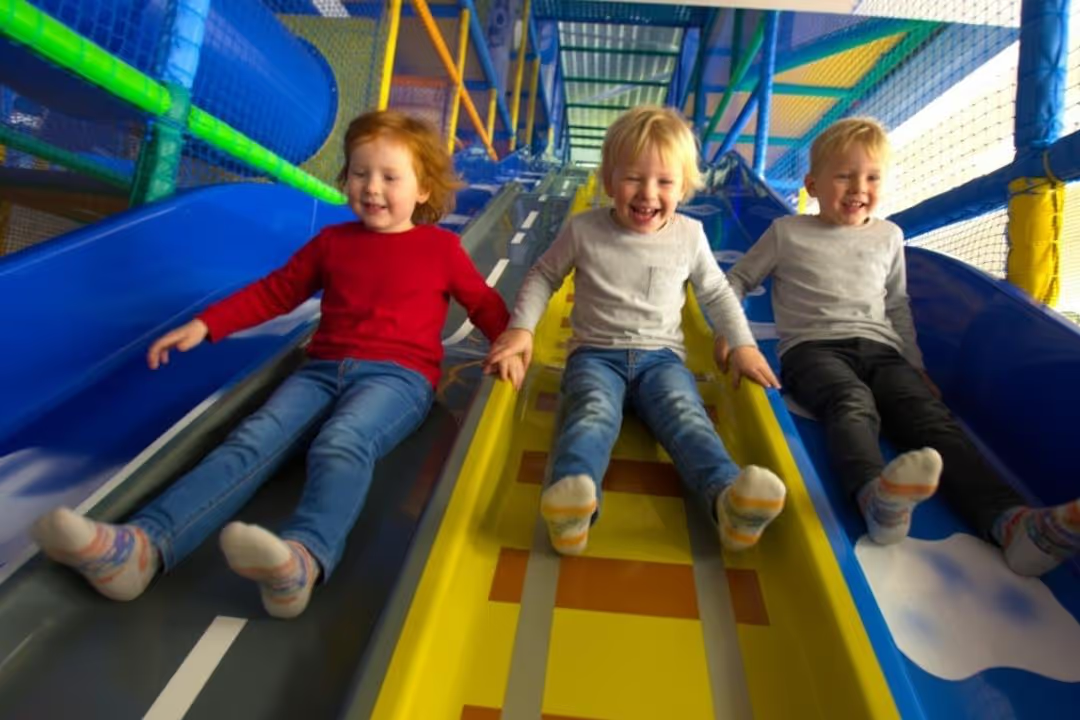
- Soft play - Preschoolers are in their element at soft play. They are old enough to navigate the equipment independently but young enough to find it genuinely exciting. Venues like Bubbles World of Play in New Brighton are ideal for this age group, with over 30 themed educational zones that keep curious preschoolers engaged and moving from one activity to the next.
- Nature walks and bug hunts - Give them a magnifying glass and a bucket, and let them collect leaves, stones, and (supervised) minibeasts.
- Arts and crafts - Painting, collage, play-dough, threading beads. Set up a craft station at home with a wipeable tablecloth and let their imagination run wild.
- Library story time - Many libraries run free story and rhyme sessions. These are relaxed, welcoming, and completely free.
- Baking together - At this age, they can start measuring, pouring, and decorating with a bit of guidance. Fairy cakes are a reliable winner.
What to Pack
Less than the toddler years, but still plan ahead:
- A small activity bag (colouring book, stickers, a couple of small toys) for quiet moments
- Snacks and a water bottle
- Spare clothes if you are doing anything messy or outdoorsy
- Wet wipes (still essential)
- A lightweight waterproof jacket - the weather is never certain
Energy Level
Sustained but needs variety. Preschoolers can manage longer outings than toddlers, but they need a change of pace every thirty to forty-five minutes. Alternate active play with calmer activities, and always have a snack to hand for when energy dips.
Grandparent Tip
They want to show you everything. This is the age where your attention is the greatest gift you can give. Put your phone away, get down to their level, and be genuinely interested in whatever they are showing you. When a four-year-old says “Grandma, watch this!” for the fourteenth time, watch it like it is the first. Your enthusiasm makes them feel ten feet tall.
School-Age Children (5-11 Years)
What to Expect
School-age grandchildren are developing their own opinions, interests, and personalities. The five-year-old who loved soft play might now be obsessed with dinosaurs. The eight-year-old who used to want cuddles might now want to race you. The ten-year-old might think they are too cool for certain activities but will secretly love them once they get started.
Children in this age range can walk further, concentrate longer, and engage with more complex activities. They can also tell you exactly what they think, which is both a blessing and a challenge.
By the upper end of this range, you might notice them becoming more self-conscious. That is normal. Keep offering activities and connection, even when they seem less interested on the surface.
Best Activities
- Adventure soft play - Older children love the bigger, more challenging soft play zones. Many venues have larger adventure areas that give school-age children the climbing, sliding, and physical challenges they crave, while you can relax with a coffee knowing they are safe and happy.
- Museums and galleries - Many museums have interactive exhibits and trails designed specifically for children. The World Museum and Maritime Museum in Liverpool are excellent free options.
- Bowling and cinema - Classic grandparent-grandchild outings that never go out of style.
- Cycling and scootering - Head to a traffic-free path or park and let them burn off energy on wheels.
- Beach days - Rock pooling, sandcastle competitions, and exploring the shoreline. The Wirral coastline has some beautiful spots.
- Cooking together - School-age children can follow a simple recipe with supervision. Let them choose what to make and help from start to finish.
What to Pack
The good news is you need much less gear at this age:
- A water bottle
- A light snack (though they will probably ask to buy something)
- Weather-appropriate layers
- Perhaps a camera - this is a lovely age for taking photos together
- Cash or a card for any paid activities
Energy Level
Can handle longer activities. School-age children can manage a full day out, though they will still appreciate breaks for food and drink. Plan one main activity with something low-key before or after, and you will have a well-balanced day.
Grandparent Tip
Ask them what they want to do. At this age, being consulted matters enormously. Give them a choice between two or three options rather than a completely open question, which can be overwhelming. “Shall we go to the museum or the beach?” works better than “What do you want to do today?” And if they suggest something you had not thought of, say yes if you possibly can. Some of the best grandparent days are the unplanned ones.
When You Have Grandchildren of Different Ages
One of the trickiest scenarios for grandparents is looking after grandchildren of different ages at the same time. A two-year-old and a seven-year-old have very different needs, attention spans, and abilities. Here is how to make it work.
Choose Venues That Cater for Multiple Ages
This is where somewhere like Bubbles World of Play really comes into its own. With dedicated baby and toddler areas for the little ones alongside bigger adventure zones for school-age children, everyone can play at their own level in the same venue. You are not trying to split yourself between two completely different activities - you can supervise from one spot while every grandchild has age-appropriate fun. Free parking and an on-site cafe make the logistics much simpler too.
Give Each Child Individual Attention
Even during a shared outing, try to give each grandchild a few minutes of focused one-on-one time. Sit with the baby while the older ones play. Then let the baby nap while you watch the seven-year-old show you their climbing skills. These small moments of individual attention matter more than you might think.
Let the Older One Help
Children aged five and up often love being a “helper” with younger siblings or cousins. Let them pass toys to the baby, hold the toddler’s hand, or demonstrate how to go down the slide. It builds their confidence and gives you an extra pair of eyes, though of course responsibility for supervision always stays with you.
Plan Around the Youngest Child
When in doubt, plan around the youngest child’s routine. Feed times, nap times, and energy levels dictate the pace of the day. Older children can adapt more easily than babies and toddlers, and they are generally understanding if you explain why.
Have a Backup Plan
Things do not always go to plan, especially with multiple children. If one child is having a difficult day, be prepared to change course. A picnic in the park instead of a sit-down lunch. A drive home via the scenic route instead of one more activity. Flexibility is your greatest asset.
General Tips for Every Age
No matter which grandchild you are spending the day with, these tips apply across the board:
- Check with the parents first. Ask about allergies, routines, current likes and dislikes, and any behavioural strategies they use. There is no shame in having a cheat sheet on your phone.
- Have their car seat properly fitted. If you are driving, make sure the car seat is correctly installed and appropriate for their age and weight. Ask the parents to fit it if you are unsure.
- Take photos. Both for you and for the parents. A few snaps from your day together are a lovely thing to share and look back on.
- Do not compare to how you raised your own children. Advice and guidelines change. Follow the parents’ lead on things like screen time, snacks, and sleep routines, even if you did things differently.
- Accept that you will be tired. Looking after children at any age is physically and emotionally demanding. Rest afterwards without guilt. You have earned it.
- Lower your expectations and raise your patience. The best days are rarely the “perfect” ones. They are the ones where you laughed together, even if things went slightly sideways.
- Enjoy it. Grandparent time is precious for everyone involved. The children will not remember whether the activity was expensive or Instagram-worthy. They will remember that you were there, that you were interested, and that you made them feel special.
Ready to Plan Your Next Day Out?
Whether you are entertaining a baby for the morning or planning a full day with a pack of grandchildren, the most important ingredient is always the same: you. Your time, your attention, and your willingness to get stuck in, whatever that looks like at their age.
For a day out that works for every age group, look for venues with dedicated zones for different ages so every grandchild gets the right level of challenge and fun. Somewhere with free parking, good coffee, and comfortable seating makes all the difference — places like Bubbles World of Play in New Brighton are designed with exactly this kind of multi-generational visit in mind.