Discover the surprising emotional and developmental benefits of grandparent-grandchild bonding through play, adventure, and shared experiences.
There is a particular kind of magic that happens when a grandparent and grandchild spend unhurried time together. It is quieter than the magic of birthday parties or Christmas mornings, but it runs deeper. It shapes who children become, anchors their sense of identity, and gives grandparents something no retirement hobby ever could: a reason to see the world with fresh eyes again.
If you are a grandparent wondering whether your days out with the little ones truly matter, or a parent deciding whether to arrange more grandparent time, the research is clear. These relationships are not just nice to have. They are foundational.
The Unique Role Grandparents Play
Parents carry the weight of daily logistics: school runs, bedtimes, balanced meals, boundary-setting. There is no avoiding it, and children need that structure. But grandparents occupy a different space in a child’s world, one that is freer, less rule-bound, and often more playful.
Grandparents are not backup parents. They are something else entirely. Developmental psychologists describe the grandparent role as that of a “relaxed authority” - someone children trust deeply but associate with warmth, patience, and a willingness to let the afternoon unfold without a schedule.
This distinction matters because children behave differently with grandparents. They:
- Ask more questions (because they sense there is time for long answers)
- Take more creative risks (because the stakes feel lower)
- Open up emotionally (because the relationship carries less daily friction)
- Listen to stories more attentively (because grandparents are naturally gifted storytellers)
None of this diminishes the parent’s role. It simply means grandparents offer something complementary and irreplaceable.
What the Research Actually Says
The evidence for intergenerational bonding is not sentimental guesswork. It is backed by decades of developmental and gerontological research.
Emotional Security and Resilience
A widely cited study from the University of Oxford found that children who had a close relationship with at least one grandparent showed significantly higher levels of emotional wellbeing and resilience. This was particularly true during periods of family stress, such as parental separation or financial difficulty. Grandparents acted as what researchers call an “emotional buffer,” providing stability and reassurance when the child’s immediate world felt uncertain.
Reduced Behavioural Problems
Research published in the journal Children and Youth Services Review found that adolescents with involved grandparents had fewer emotional and behavioural difficulties. The effect was measurable and consistent across different socioeconomic backgrounds.
A Sense of Identity and Belonging
Grandparents are living bridges to family history. When they share stories about “what things were like” or talk about the child’s parent as a little one, they give children something powerful: a sense of continuity. Knowing where you come from helps you understand who you are. Children who hear family narratives develop stronger self-concepts and a greater sense of belonging.
Benefits Flow Both Ways
This is not a one-directional gift. Studies from Boston College and the Institute of Gerontology have shown that grandparents who spend regular, meaningful time with grandchildren report lower rates of depression, improved cognitive function, and a stronger sense of purpose. Active engagement with young children keeps older adults mentally sharp and physically mobile.
The relationship, at its best, is genuinely reciprocal.
The Grandparent Advantage
There is a reason children often remember time with grandparents with unusual vividness. Grandparents tend to offer three things that are increasingly rare in modern childhood:
Patience
Not the gritted-teeth patience of a parent at the end of a long Wednesday, but the expansive patience of someone who has already raised children, learned what truly matters, and has the bandwidth to let a four-year-old spend fifteen minutes examining a puddle.
This patience is not trivial. It communicates to the child: You are worth my unhurried attention. What interests you interests me. Few things build a child’s sense of self-worth more effectively.
Experience Without Anxiety
First-time parents often worry. Is this normal? Are they hitting milestones? Should I be doing more? Grandparents have the enormous advantage of perspective. They have seen children grow through awkward phases, survive bumps and falls, and turn out just fine. This calm confidence is contagious. Children sense it and feel safer as a result.
Undivided Attention
In an era of smartphones and competing demands, undivided attention has become a rare commodity. Many grandparents instinctively offer it. They sit on the floor to play. They watch the same trick performed twelve times and still clap. They listen to rambling stories about school friends they have never met.
This quality of attention is what child psychologists call “attunement,” and it is one of the strongest predictors of secure attachment.
Why Active Play Beats Passive Screen Time
It is tempting, especially on cold or rainy days, to default to watching television together. There is nothing wrong with the occasional film afternoon. But when it comes to building bonds, active shared experiences outperform passive ones by a wide margin.
Here is why:
Active play creates shared memories. Children rarely remember what they watched on television last Tuesday. They do remember the time Grandad pretended to be a bear, or the afternoon Nana helped them build a den out of sofa cushions.
Physical play triggers oxytocin. The “bonding hormone” is released during physical touch, laughter, and shared excitement. Chasing, tickling, climbing, and playing together all stimulate oxytocin production in both generations.
Joint problem-solving builds trust. Whether it is figuring out a puzzle, navigating a soft play frame, or working out how to cross a stream on a nature walk, solving small problems together creates a sense of teamwork that deepens the relationship.
Movement benefits both bodies. For children, active play develops gross motor skills, spatial awareness, balance, and coordination. For grandparents, staying physically active with grandchildren helps maintain mobility, joint flexibility, and cardiovascular health. It is genuinely good medicine for everyone involved.
The Golden Hours: Quality Over Quantity
If you live far from your grandchildren, or your schedule only allows occasional visits, take heart. Research consistently shows that the quality of grandparent-grandchild time matters far more than the quantity.
A single afternoon of genuine connection, where you are fully present and doing something together, can be more impactful than weeks of distracted coexistence.
What makes time “golden”?
- Presence over perfection. You do not need an elaborate plan. You need to be there, mentally and emotionally, not scrolling your phone or thinking about what to cook for dinner.
- Child-led exploration. Let them choose the activity sometimes. Follow their curiosity. If they want to spend the whole visit playing with cardboard boxes, that is perfectly fine.
- Conversation that goes both ways. Ask real questions. Tell real stories. Children are remarkably perceptive; they know the difference between genuine interest and going through the motions.
- Gentle challenge. Encourage them to try something slightly beyond their comfort zone, whether it is climbing a little higher, tasting something new, or talking to someone they do not know. Your calm presence makes bravery easier.
Creating Family Traditions That Last
Some of the most powerful grandparent-grandchild bonds are built around rituals and traditions, things you always do together.
These do not need to be grand. In fact, the smaller and more personal the tradition, the more it tends to stick:
- A regular day out. “Every other Saturday, we go somewhere together.” The predictability itself becomes part of the comfort.
- A special meal. Maybe you always make pancakes together, or you have “your” cafe where you share a hot chocolate.
- A shared hobby. Gardening, baking, fishing, painting, birdwatching. Activities where you work side by side create natural space for conversation.
- Storytelling time. Whether it is family history, made-up tales, or reading books aloud, stories are the thread that connects generations.
- An adventure jar. Write activity ideas on slips of paper and let the grandchild pull one out each visit. It adds an element of surprise and gives them a sense of agency.
The key is consistency. Children thrive on knowing that certain things are reliably theirs. “This is what I do with Grandma” becomes part of their identity.
Activities That Maximise Bonding
Not all activities are equal when it comes to building connection. The best grandparent-grandchild activities tend to share a few characteristics: they involve movement, allow for conversation, include an element of novelty, and are enjoyable for both generations.
Here are some categories that work particularly well:
Outdoor Adventures
Nature walks, beach trips, park visits, and garden explorations. The natural world provides endless conversation starters and opportunities for wonder. Even a short walk to feed the ducks can become a treasured memory.
Creative Projects
Baking, painting, building, crafting. Anything where you make something together gives you a shared accomplishment and often a tangible keepsake.
Soft Play and Indoor Activity Centres
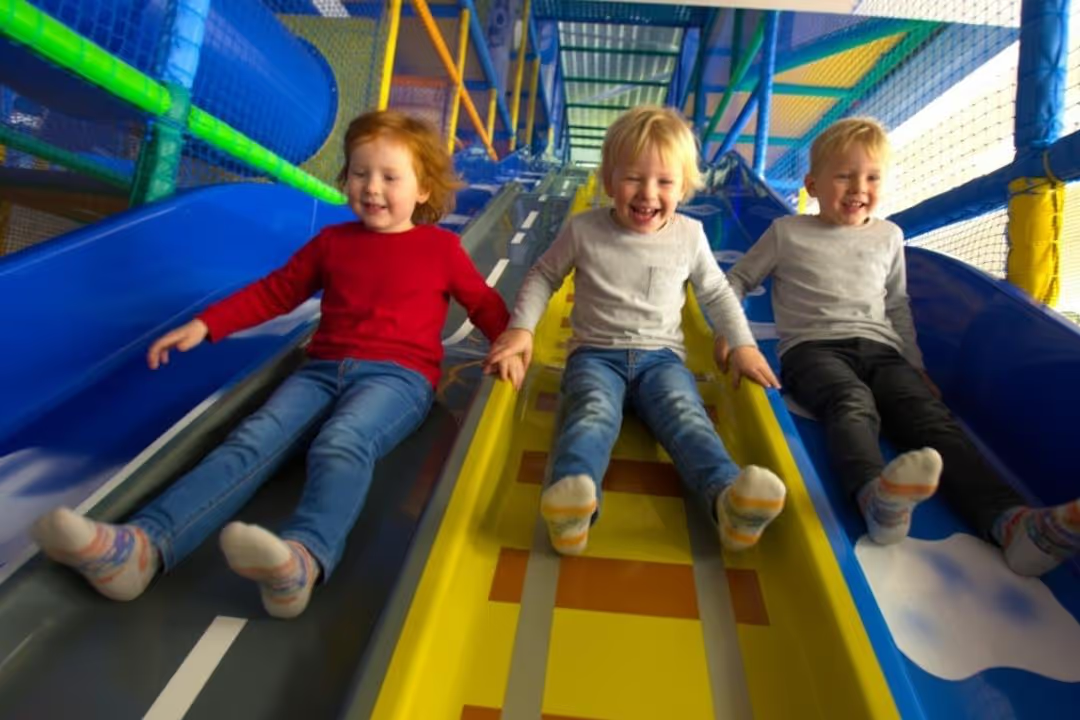
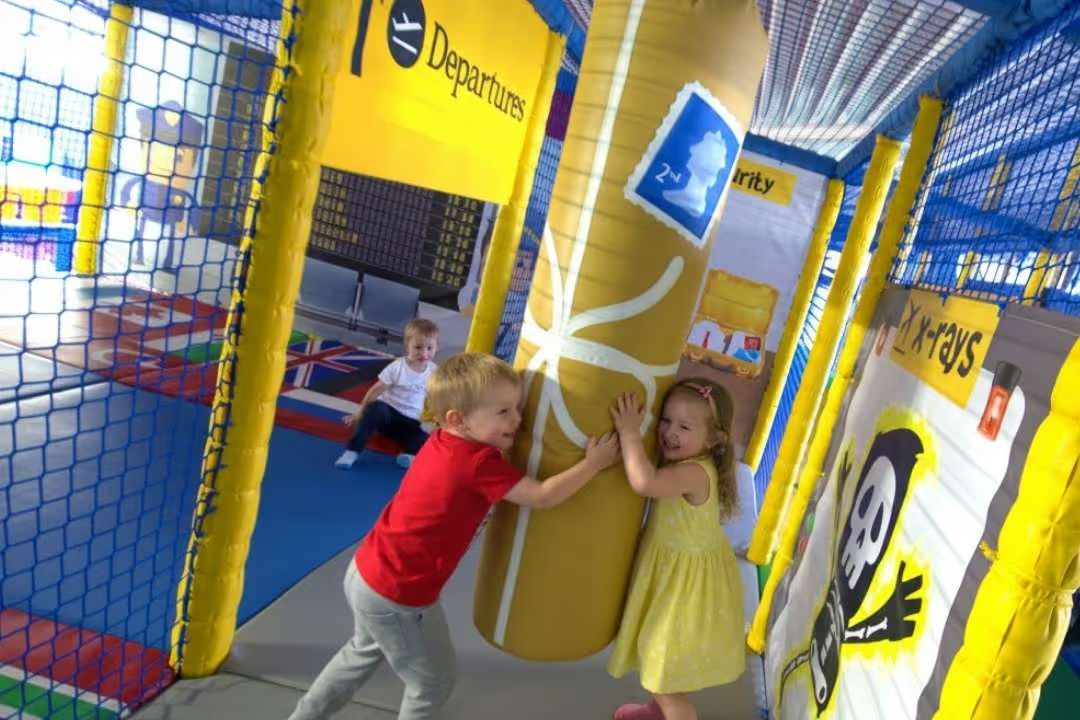
On days when the weather is not cooperating, or when the grandchildren need to burn off serious energy, soft play centres are a brilliant option. They offer a safe environment where children can climb, slide, and explore while grandparents can watch, encourage, and join in at their own pace. Many modern venues, like Bubbles World of Play in New Brighton, are designed with multi-generational visits in mind, with comfortable seating areas and cafes where grandparents can recharge while still keeping an eye on the action.
Museum and Gallery Visits
Interactive museums and child-friendly galleries offer wonderful shared learning experiences. Seeing a grandchild’s face light up at a dinosaur skeleton or a hands-on science exhibit is its own reward.
Simple Home Activities
Do not underestimate the power of a rainy afternoon spent doing jigsaws, playing board games, or building a blanket fort. Some of the deepest conversations happen in these unstructured, low-pressure moments.
Navigating Common Challenges
The grandparent-grandchild relationship is not always straightforward. Here are some common hurdles and how to handle them gracefully:
Different Energy Levels
You do not have to keep up with a five-year-old’s pace. Children benefit from seeing adults model appropriate rest. Say, “Grandad needs a little sit down, and then we will go again.” They learn that breaks are normal and that caring for your body is important.
Distance
If you live far away, regular video calls, posted letters, and voice messages can maintain connection between visits. When you do see each other, the bond picks up remarkably quickly if you have stayed in touch.
Changing Interests
A grandchild who loved the park at three might prefer something different at seven. Stay curious about their evolving world. Ask about their interests without judgement, even if those interests include things you know nothing about. Your willingness to learn from them strengthens the relationship.
Keeping Up with Safety
Play environments and safety standards have changed since you raised your own children. If you are visiting a play centre or taking the grandchildren somewhere new, do not be afraid to ask staff for guidance. Good venues are happy to help grandparents feel confident and comfortable.
It Is Never Too Late to Start
Perhaps you have not had as much time with your grandchildren as you would have liked. Perhaps distance, health, or family circumstances have made regular visits difficult. The wonderful thing about this relationship is that it is remarkably resilient.
Children are extraordinarily forgiving and open-hearted. A grandparent who shows up with genuine warmth and interest, even after a long gap, will almost always be welcomed with open arms. You do not need to make up for lost time. You just need to start from where you are.
One afternoon. One outing. One conversation. That is all it takes to begin building something that will matter to both of you for the rest of your lives.
A Final Thought
In a world that moves faster every year, the grandparent-grandchild relationship is a quiet counter-current. It says: slow down. Listen. Tell me that story again. Watch what I can do.
These days out are not just fun, though they are certainly that. They are acts of investment in a child’s emotional architecture. They build the inner voice that says, “I am loved. I belong. I come from somewhere.” And for grandparents, they are a reminder that the most important things you will ever do might not happen in a boardroom or on a career ladder. They might happen on a Tuesday afternoon, holding a small hand, watching someone discover the world for the very first time.
Make the time. Book the day. The memories you create together will outlast almost everything else.